Fully automatic wire tying equipment has gradually begun replacing traditional semi-automatic winding machines. It can run for long periods without interruption, provides high efficiency and consistent results, and suits batch production of an established product.
The industry has moved toward full automation in response to demand for higher efficiency and output. These machines reduce manual work, allow one operator to supervise several units and deliver relatively stable quality in high-volume production.
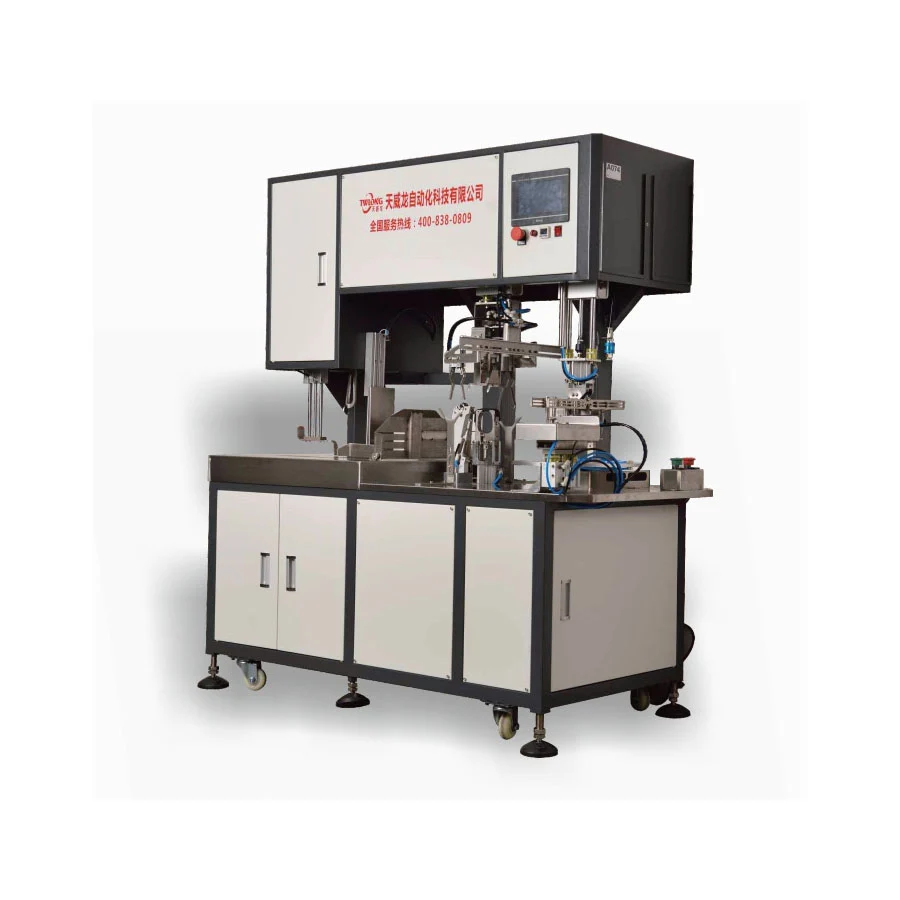
Automatic winding machines developed in recent years. Fully automatic models often use coordinated dual heads. Many mainland manufacturers drew on designs from Taiwan and other markets. A PLC works with manipulators, pneumatic and hydraulic systems and actuators to automate wire traversing, winding around pins, cutting, and loading and unloading frames. High output reduces labor, lets one operator supervise several machines and helps maintain quality in high-volume settings. CNC, pneumatics and photoelectric controls contribute to the design and output that attract buyers.
Benefits of using an automatic wire tying machine
1. The machine can operate continuously, reduce operator fatigue, improve efficiency, maintain consistent quality and save ties.
2. The operator puts the wire on the spool and presses the start switch. The machine winds the wire, automatically transfers the coil to the tying station and applies the tie.
3. Winding length, winding turns, tie length and tie turns can be set, and the machine counts completed pieces.
4. A PLC controls the equipment and an LED display shows adjustable parameters. Operation is straightforward and reliable, with stable quality.