
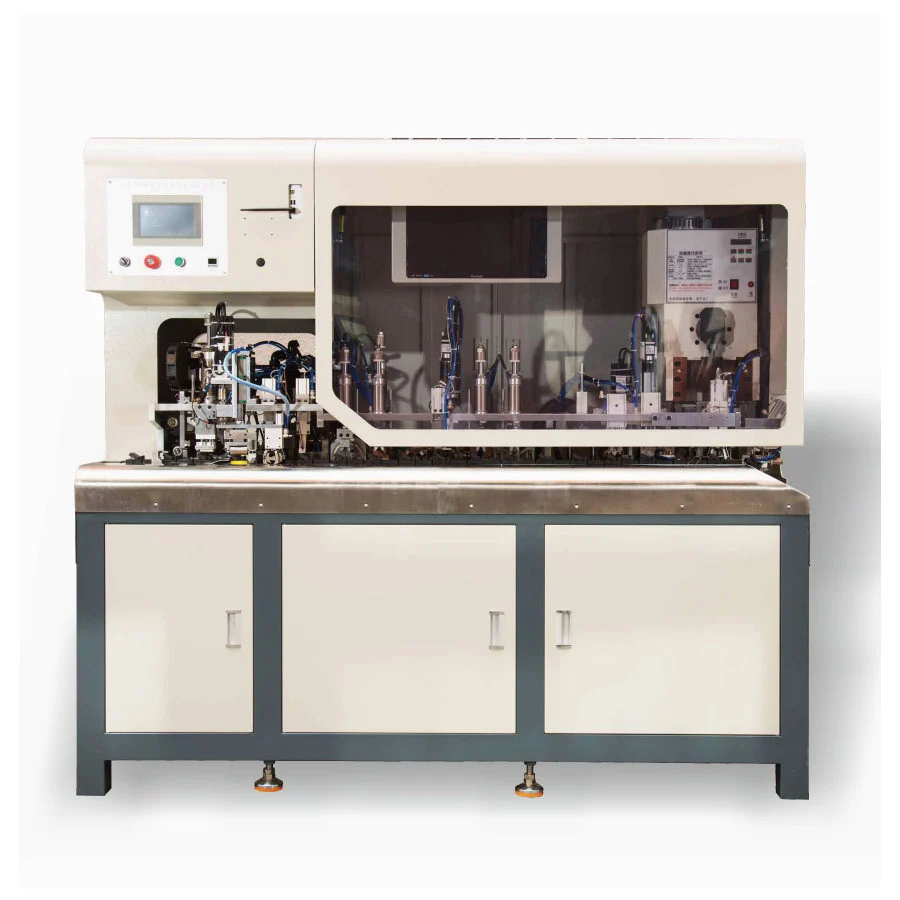
1. Start with the configuration. Even a bad screw or a burr can cause problems. The source recommends using a well-equipped automatic terminal crimping machine.
2. Inspect stripping and cutting. Look for incomplete stripping, uneven stripped ends, damaged copper strands, scratched insulation, pronounced bends and inconsistent lengths. The source gives a relative deviation of 0.2 mm and also lists a formula of set length × 0.002 mm.
3. Check the terminal crimp. A crooked terminal, a terminal not crimped onto the copper conductor or a loose connection directly affects the finished product and can be a serious defect.
4. Compare operating speed when the stripping, cutting and crimping results are similar. Higher speed can bring greater economic benefits, provided that the finished harnesses meet the quality standard.
5. Consider how long the machine has been on the market. Models introduced only one or two years earlier may have unresolved reliability problems, and buyers should consider the cost of that uncertainty.