Choose a model that suits the product and production requirements. The source distinguishes automatic, fully automatic, manual-traverse and hand-cranked models.
1. Automatic models offer high output and process efficiency, with stricter requirements for the frame. They suit fine-wire work where high output is required.
2. For small or newly established producers, the widely used models that the source calls fully automatic still need manual wire guiding and coil loading and unloading. They are less productive than the more automated type, but many variants serve a broad range of applications.
3. Manual-traverse models require manual wire distribution. Many now have functions such as accurate stopping and slow starting and cost less than automatic-traverse models of the same size.
4. Hand-cranked models were an early choice for trials and sample setting. They are gradually disappearing as most manufacturers have stopped investing in them.
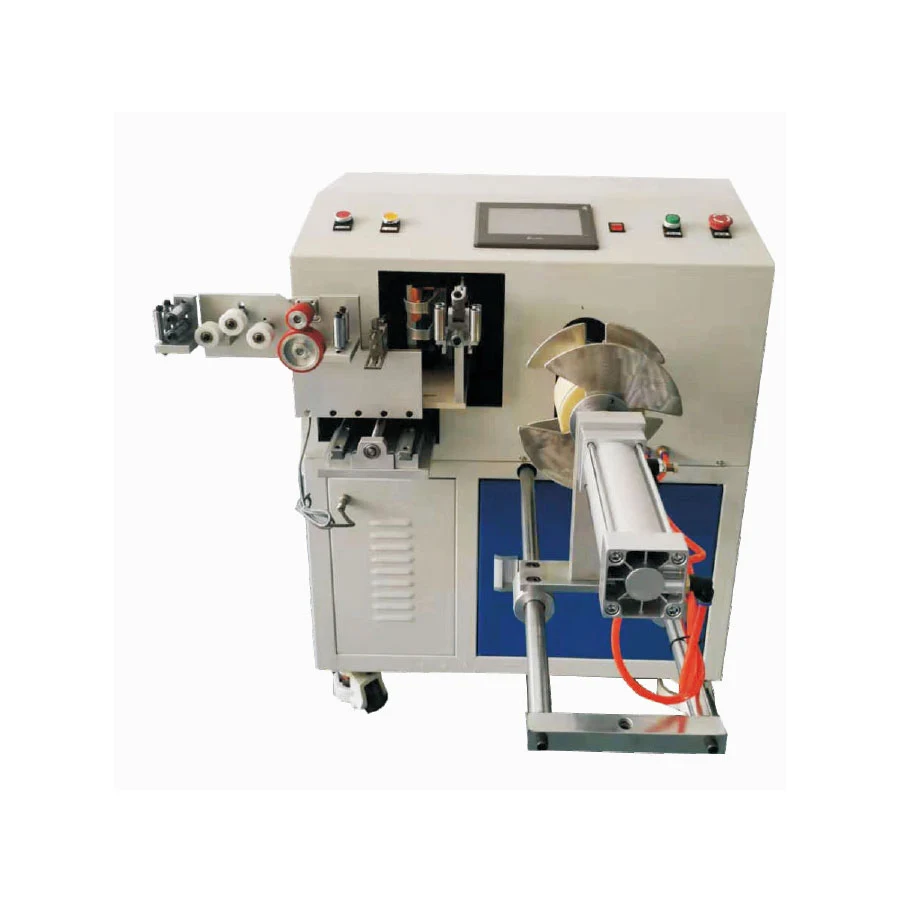
Compare several machines of the same specification. The winding machine industry currently lacks a detailed national standard, and manufacturers' specifications differ considerably. Compare maximum wire diameter, traverse width and maximum frame diameter with future product needs in mind. Check the configuration as well. Machines offering the same functions can differ substantially in quality because of their components.
Consider technical support and after-sales service. A winder typically lasts three to five years, and some last longer. Wear occurs in normal use and requires manufacturer support. Some suppliers provide less support than others, so request clear service terms and check their service capabilities where possible.
The source encourages buyers to compare models carefully and hopes that winding machine manufacturers will work together to support the industry's development.