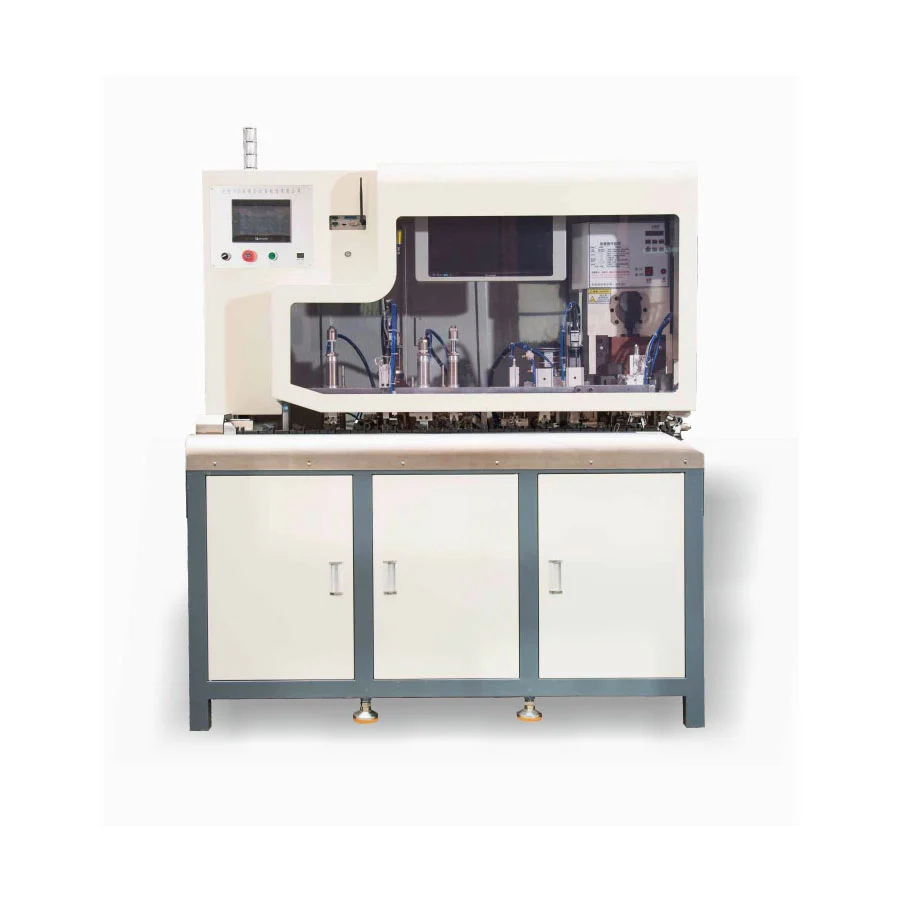
Wire tying machines are engineered to wind and bundle wire harnesses. Unforeseen conditions during normal use can still damage the equipment. The following are common faults and remedies.
1. Abnormal loads typically result from operating outside the machine's rated range or increasing a winding load after a bearing has been damaged. The manufacturer recommends keeping the winding load within its permitted limits, replacing damaged bearings promptly, cleaning affected parts and using clean lubricant.
2. Assembly faults can occur when bearings are fitted incorrectly. The manufacturer recommends checking bearing clearance to determine whether the bearing can remain in service, cleaning affected parts, improving seals to prevent secondary damage from contaminants and using clean lubricant.
3. Inadequate maintenance and lubrication are a major cause of faults. Symptoms include abnormally high bearing temperature, serious lubricant leakage and bearing discoloration.
Establish a maintenance program and assign someone to service the equipment regularly. Check lubrication points, replenish lubricant promptly and choose a suitable lubricant. Adjust the housing shoulder as needed and clear contaminants around the bushing.
Wire tying machines are specifically intended to wind and bind wire products. When large quantities of harnesses are left unbound, they become disorganized and tangled and are difficult to use.
An automatic winding and tying machine eliminates manual bundling, simplifies the work, saves production time and improves efficiency.
These machines are designed to wind and tie specific harnesses. Their suitability for other harnesses depends on the required standard. For other wire products with less demanding requirements, a tying machine may still be able to complete the winding and bundling.