
Here is a simple way to distinguish winding and tying machine configurations.
The process has three basic steps: winding, picking up the coil and tying it. The winding motor is central to the first step. Common choices include stepper and servo motors. AC servo motors offer higher torque, an advantage that becomes more noticeable under demanding conditions and at higher power.
The pickup unit moves vertically and horizontally. Cylinders commonly handle vertical motion. Better cylinders last longer and make the equipment more reliable. On standard machines, quality components help prevent faults, so the source recommends reputable domestic brands for critical positions.
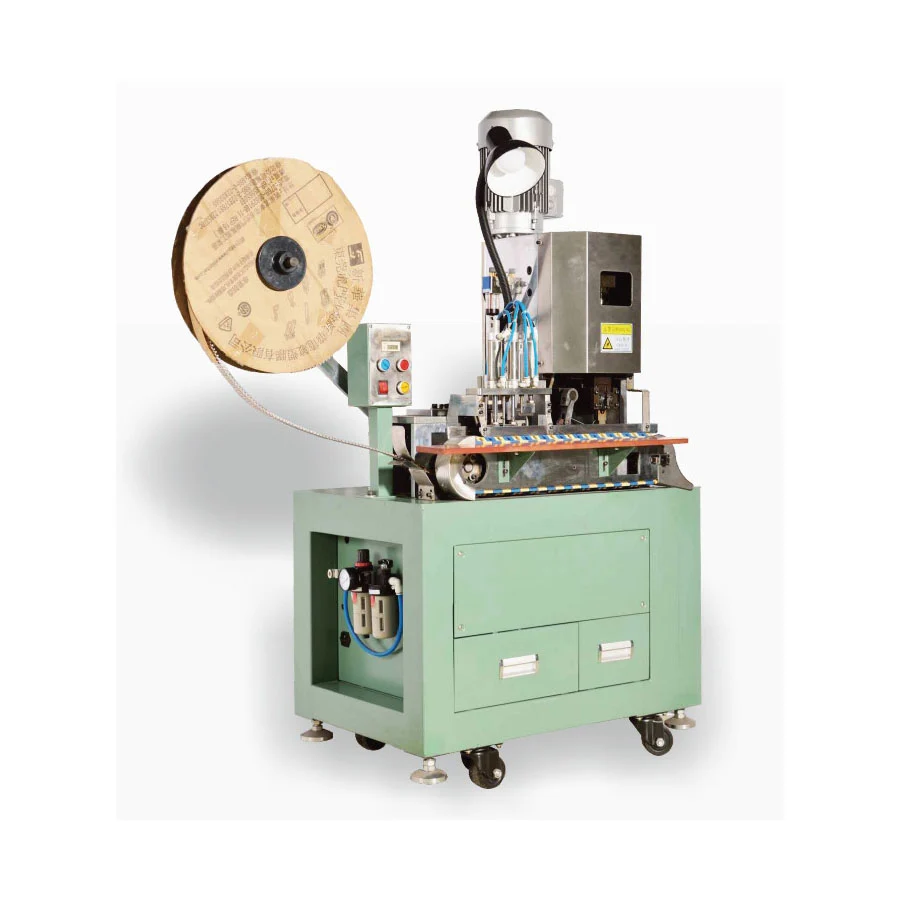
Some manufacturers also use cylinders for horizontal motion. Compared with a motor-driven traverse, cylinder motion can be less stable and accurate and cause more vibration. That vibration affects other components and can shorten machine life. Pulse control lets a motor move accurately with less vibration. A motor and timing pulley feed the tie straight and smoothly so that it can be applied properly.
1. Touchscreen: used for parameter settings, monitoring and alarm messages.
2. Main power switch: switches the machine on or off from the electrical control cabinet.
3. Emergency stop: stops the machine when pressed in an emergency.
4. Start button: place the wire in the retaining slot, then press the button to start.
5. Reset button: returns the machine to its starting position after a fault or restart, or when the winding motor and pickup arm are out of position.
6. Tie-feed test button: tests the reliability of the tie-feeding mechanism while the machine is in standby and helps with adjustment.