Over the previous two years, many fully automatic wire tying machine manufacturers entered the market. The economic slowdown pushed the prices of automatic winding and tying machines to new lows. Some manufacturers faced a cycle of low prices, low quality and poor service as they struggled with costs, pricing and pressure to cut corners. A visit to some suppliers' workshops reveals only one or two machines, or none. Many companies treat winding and tying machines as a side product and focus on welding, terminal crimping, wire traversing or wire stripping machines.
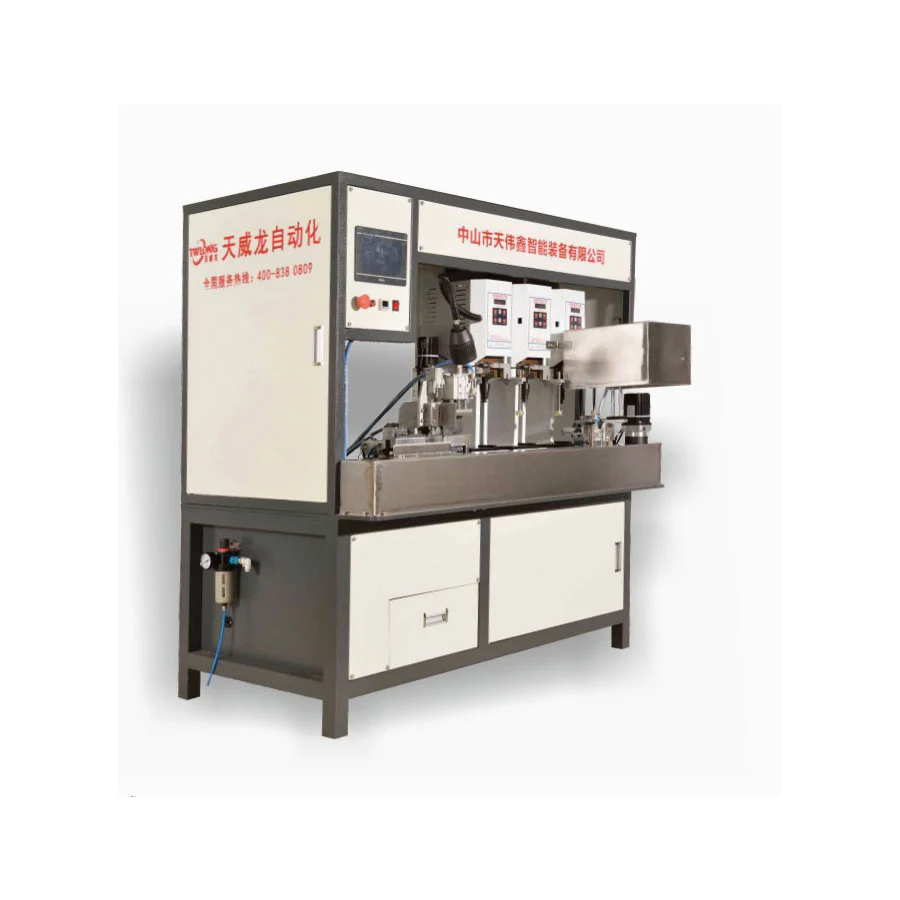
Fully automatic wire tying equipment represents the high-precision, high-power segment of winding machines. Its winding accuracy and operating power surpass those of ordinary winders. The components are largely similar to those of conventional models. The difference lies in more precise coordination between components and a servo system with high computing power.
A typical servo system consists of a control and computing system and a drive power system. The controller usually uses a high-speed digital signal processor (DSP) to handle closed-loop control of current, speed and direction. The drive includes circuitry and a motor, with a rectifier and filter circuit supplying power. The motor is central to the system. Compared with an ordinary motor, it has higher voltage withstand capability and more precise rotation, and a rotary encoder is fitted at the rear.